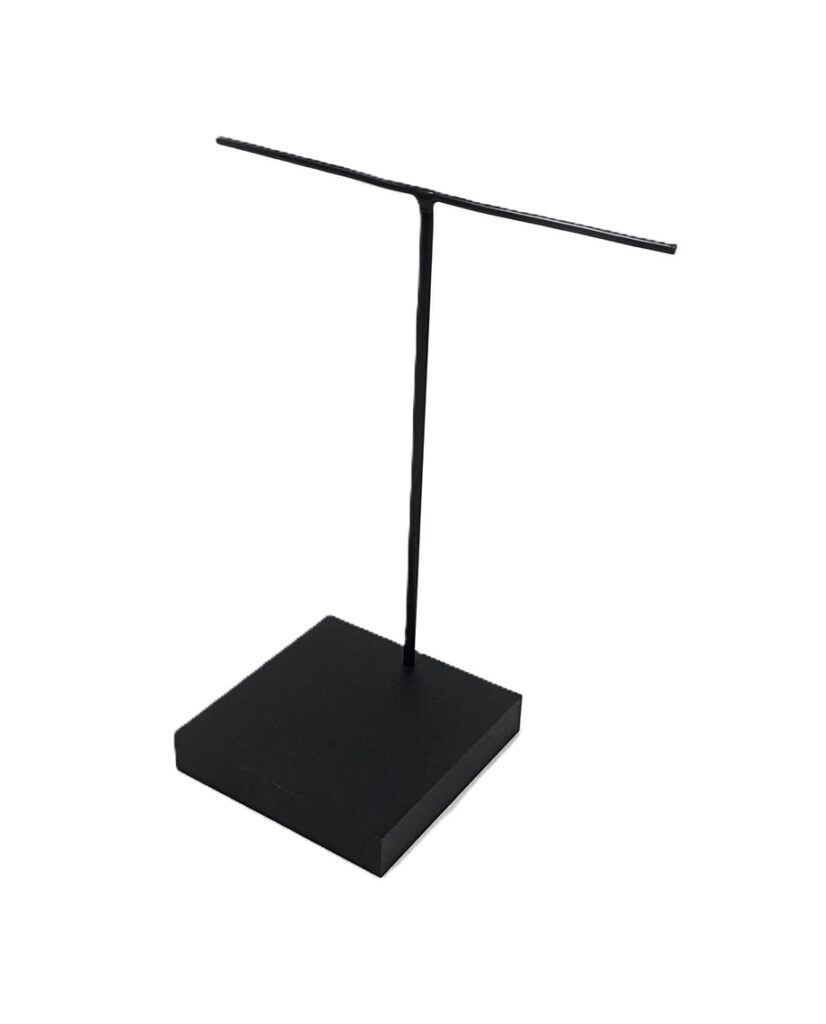
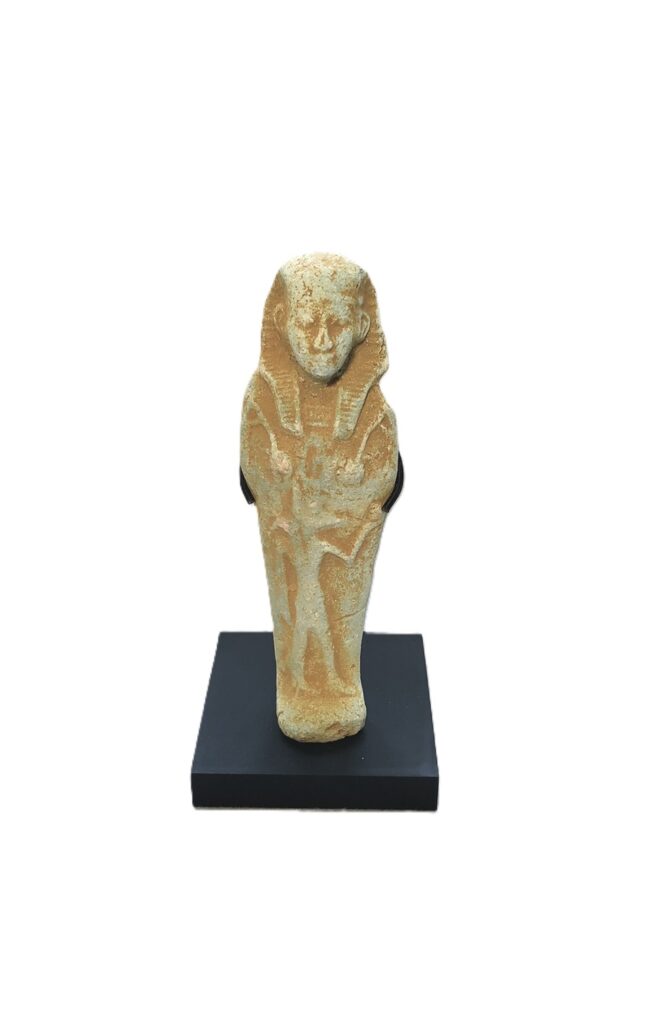
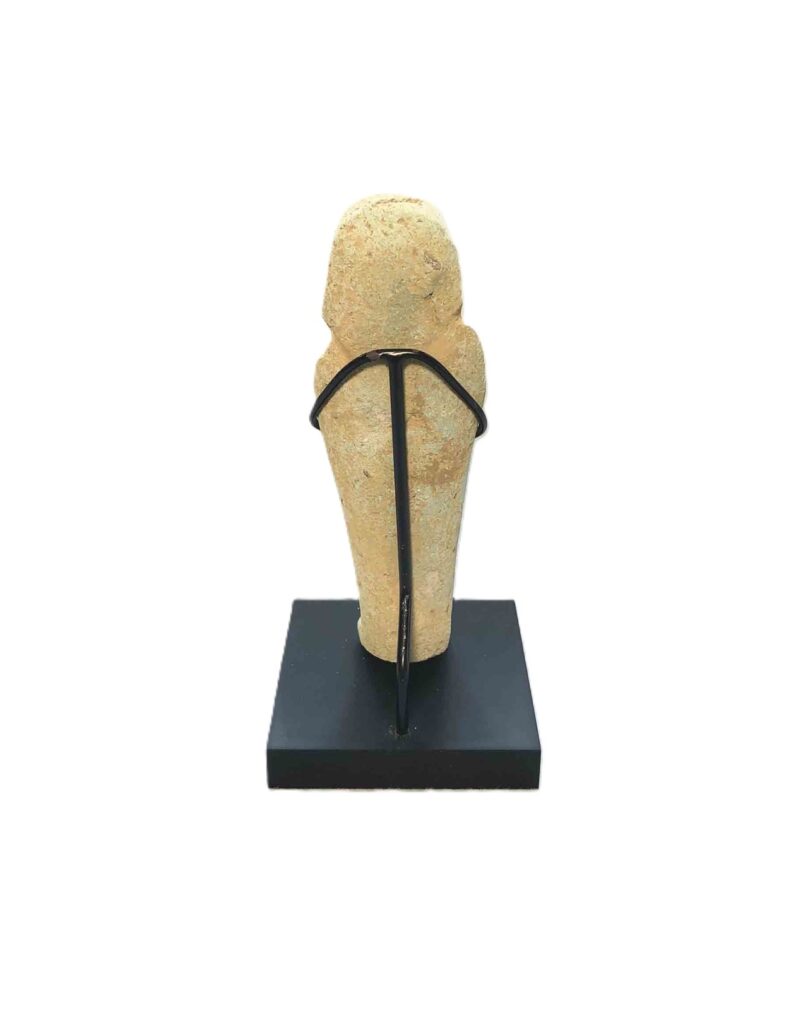
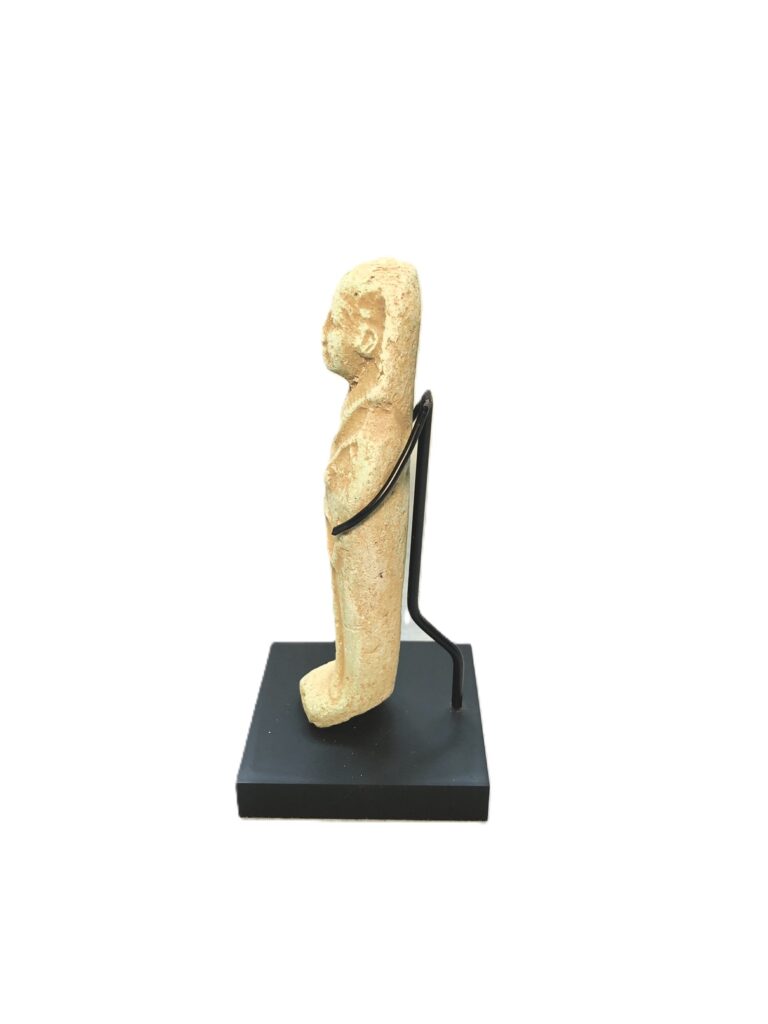
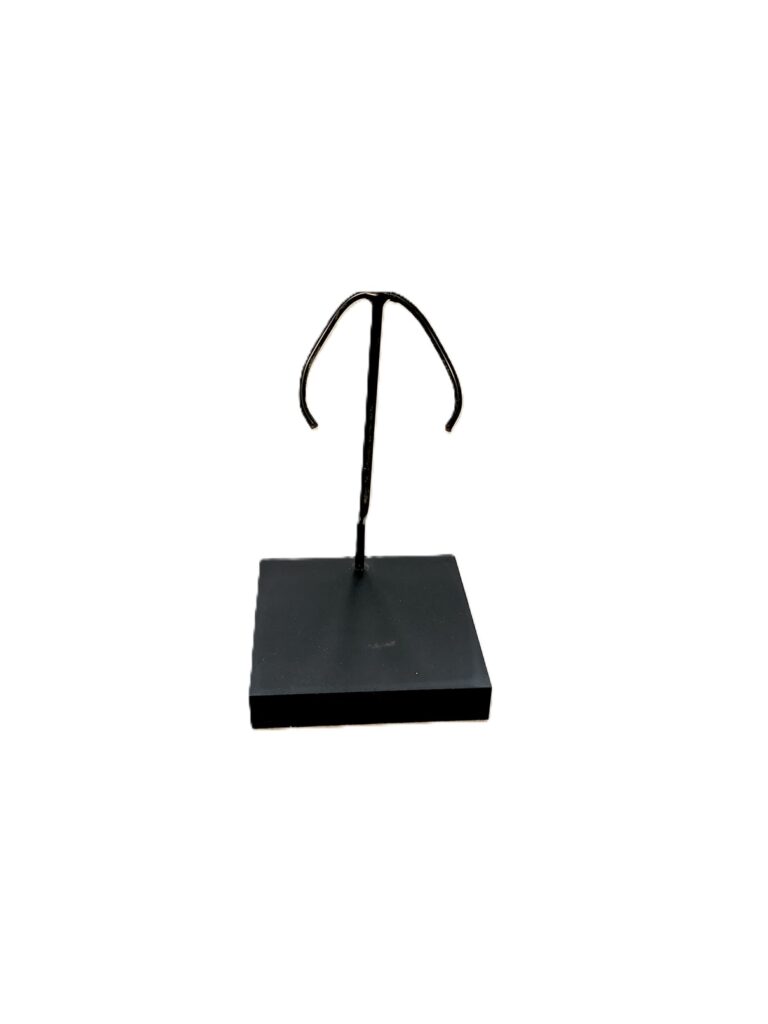
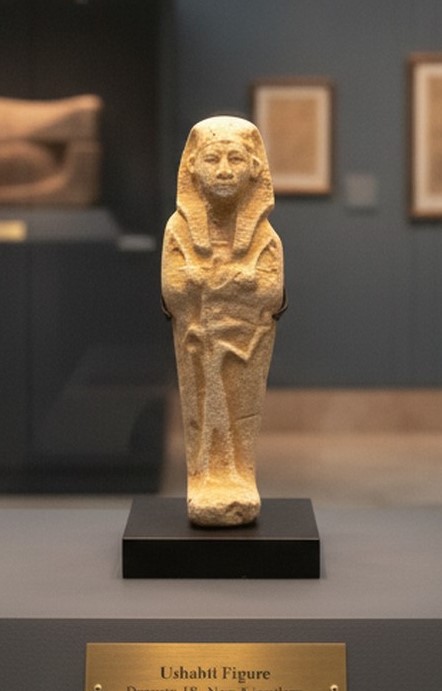
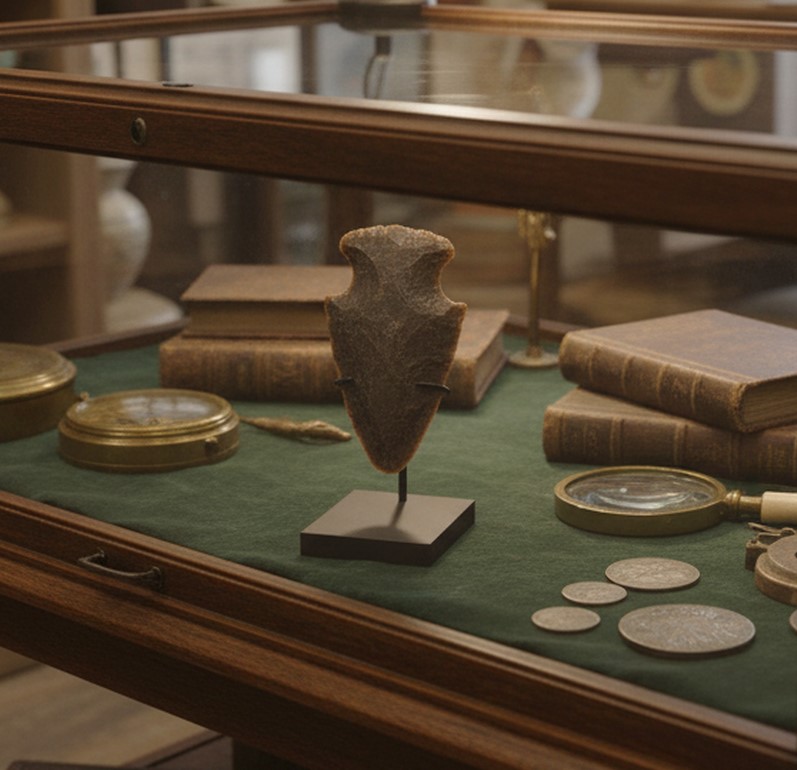
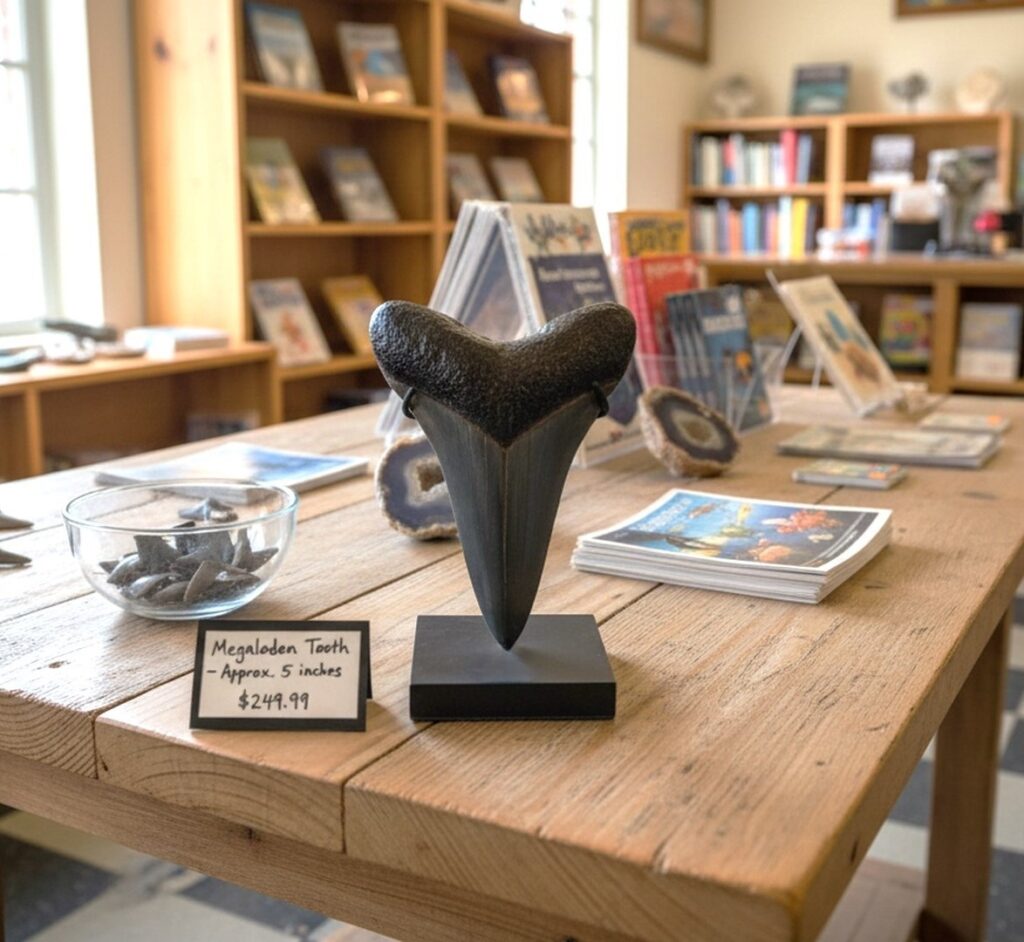
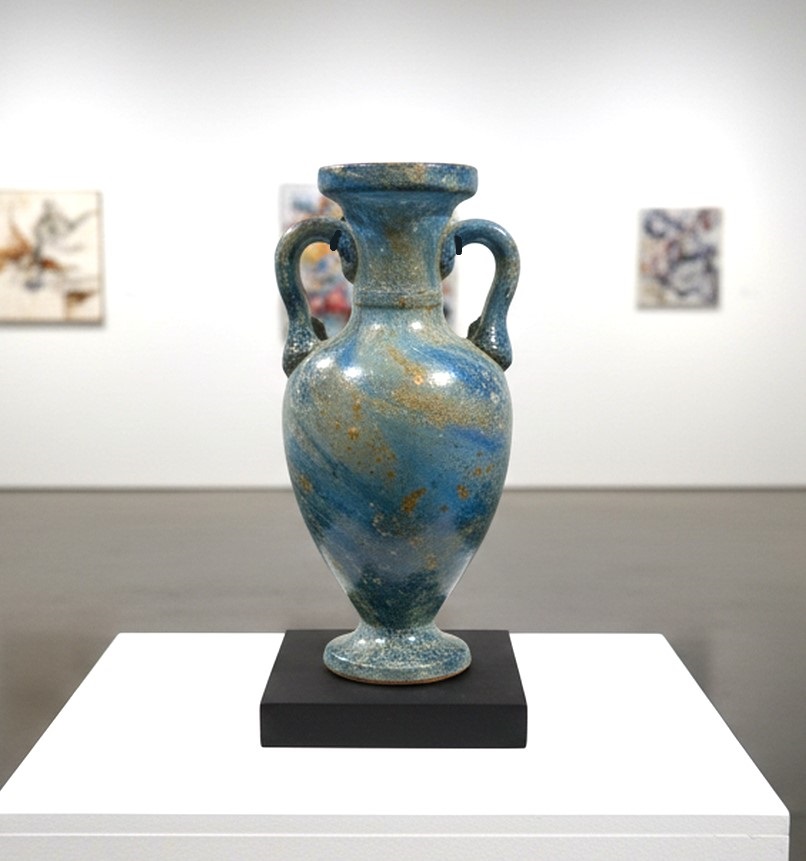
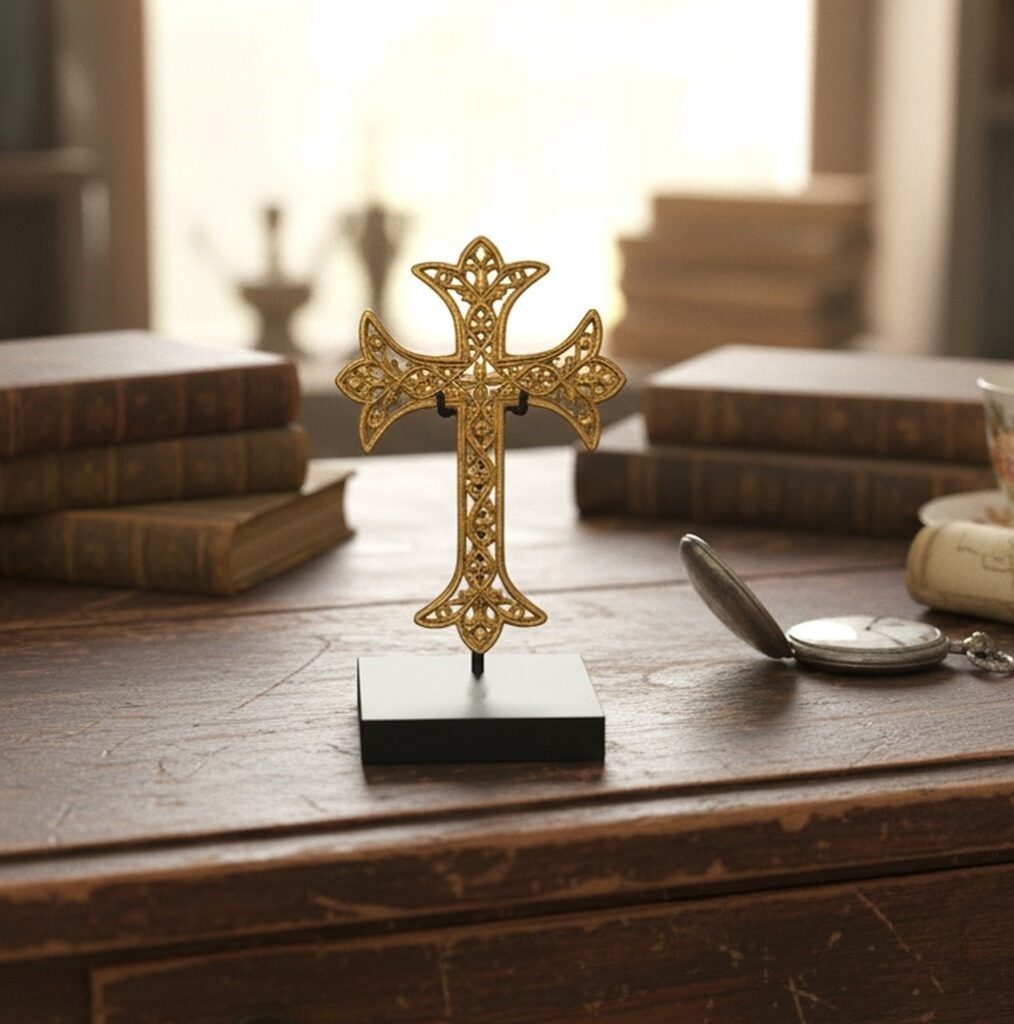
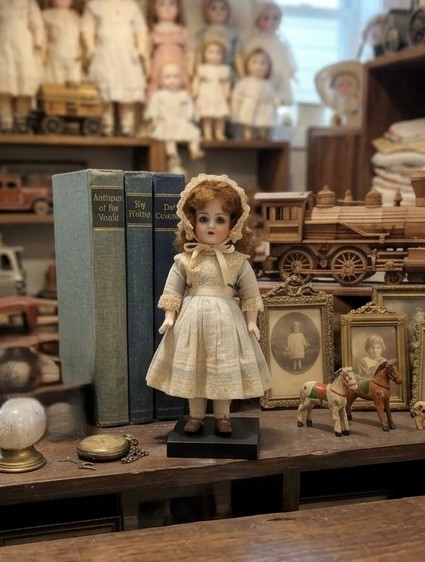
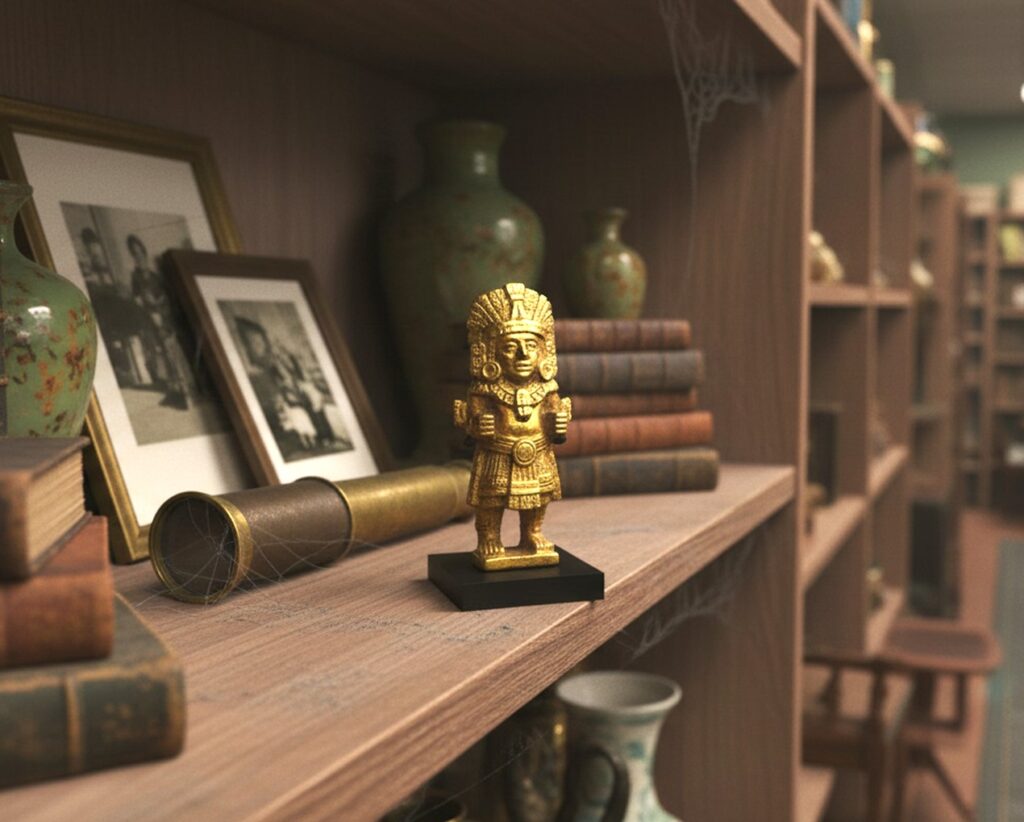
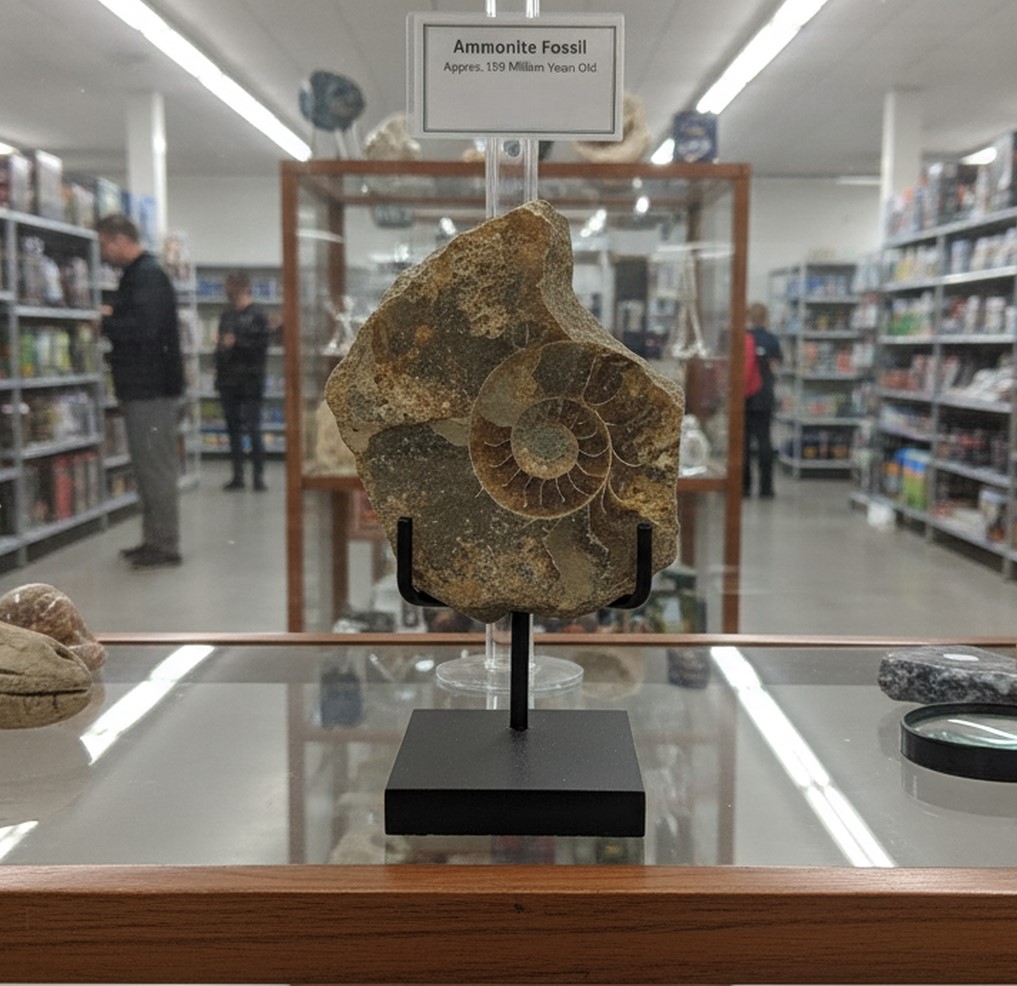
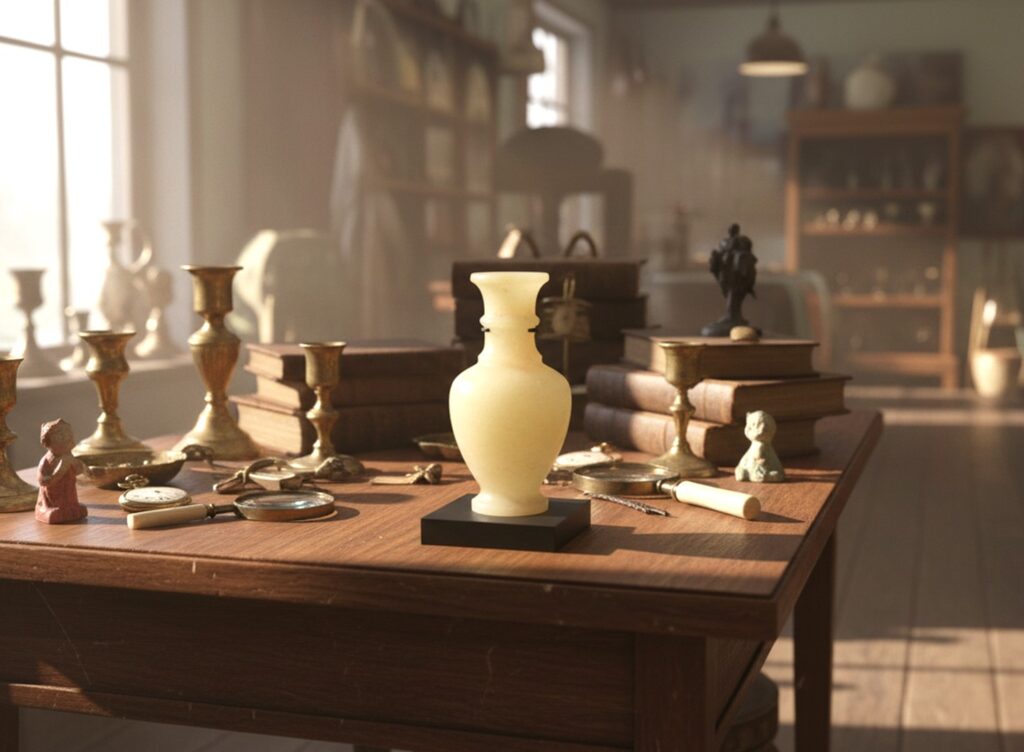
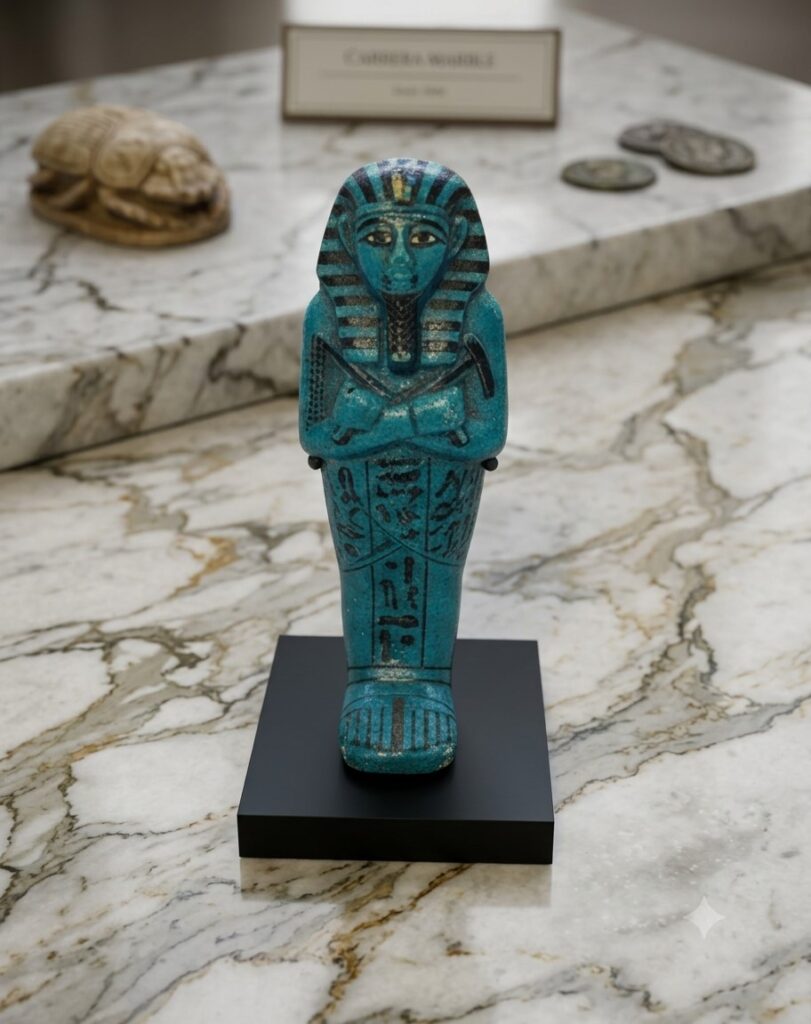
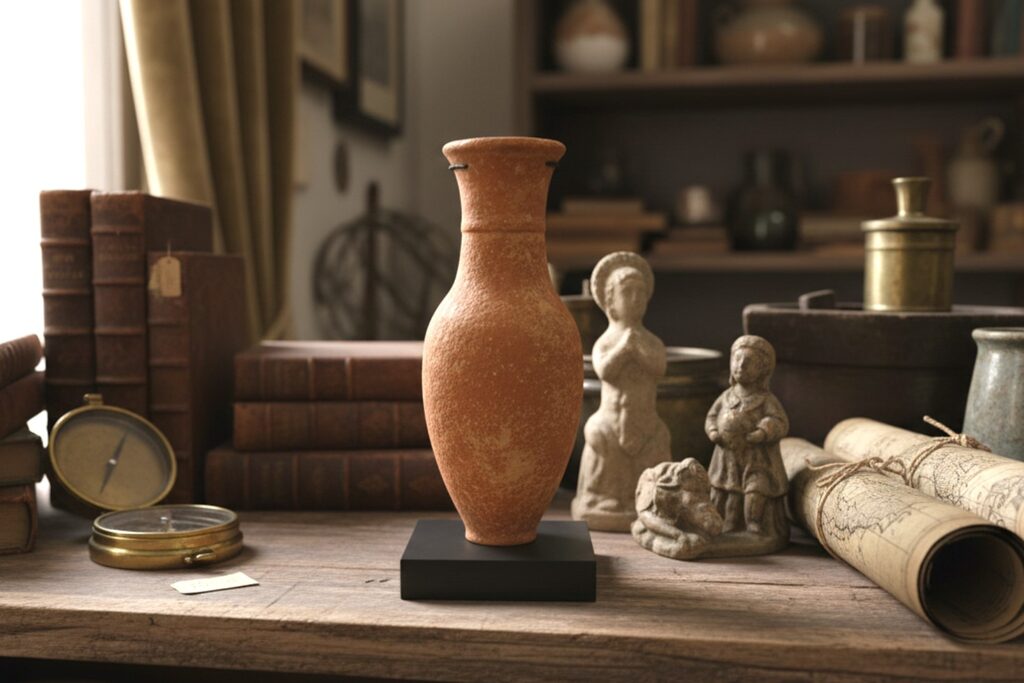
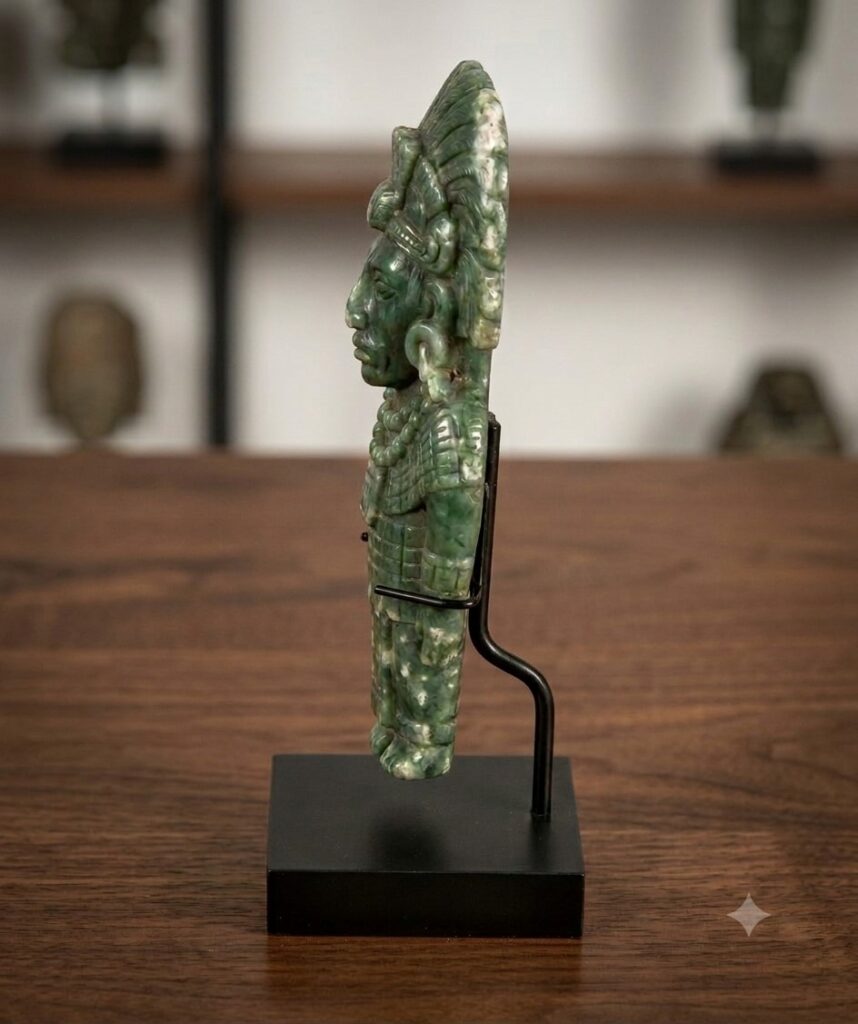
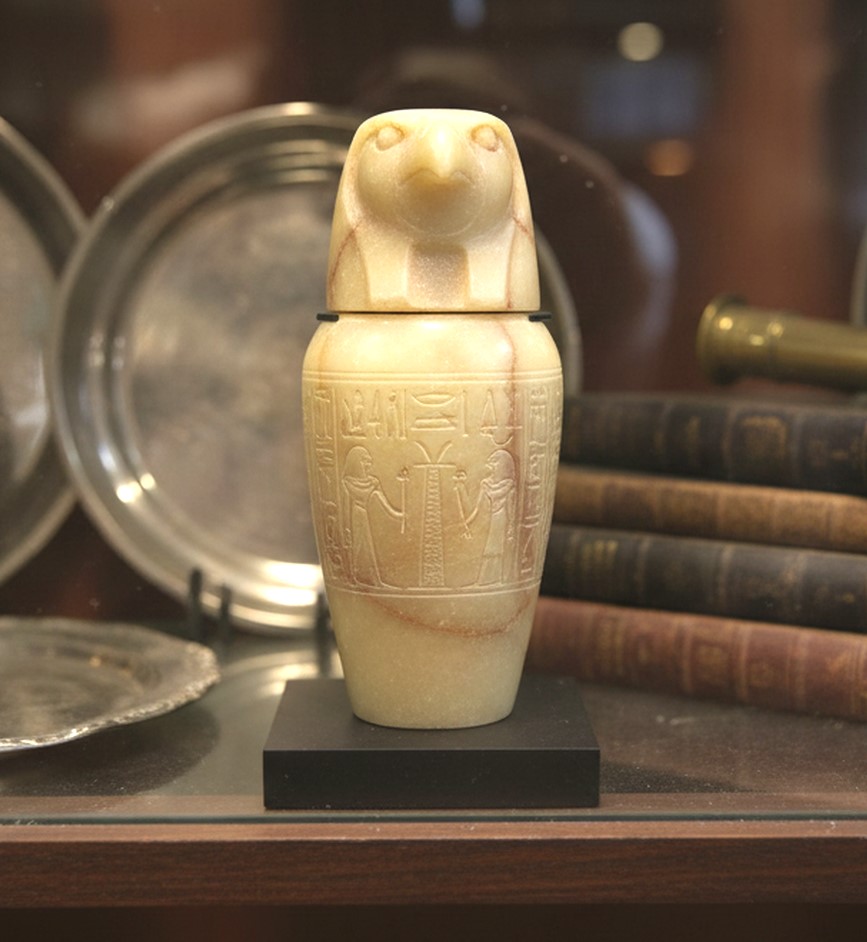
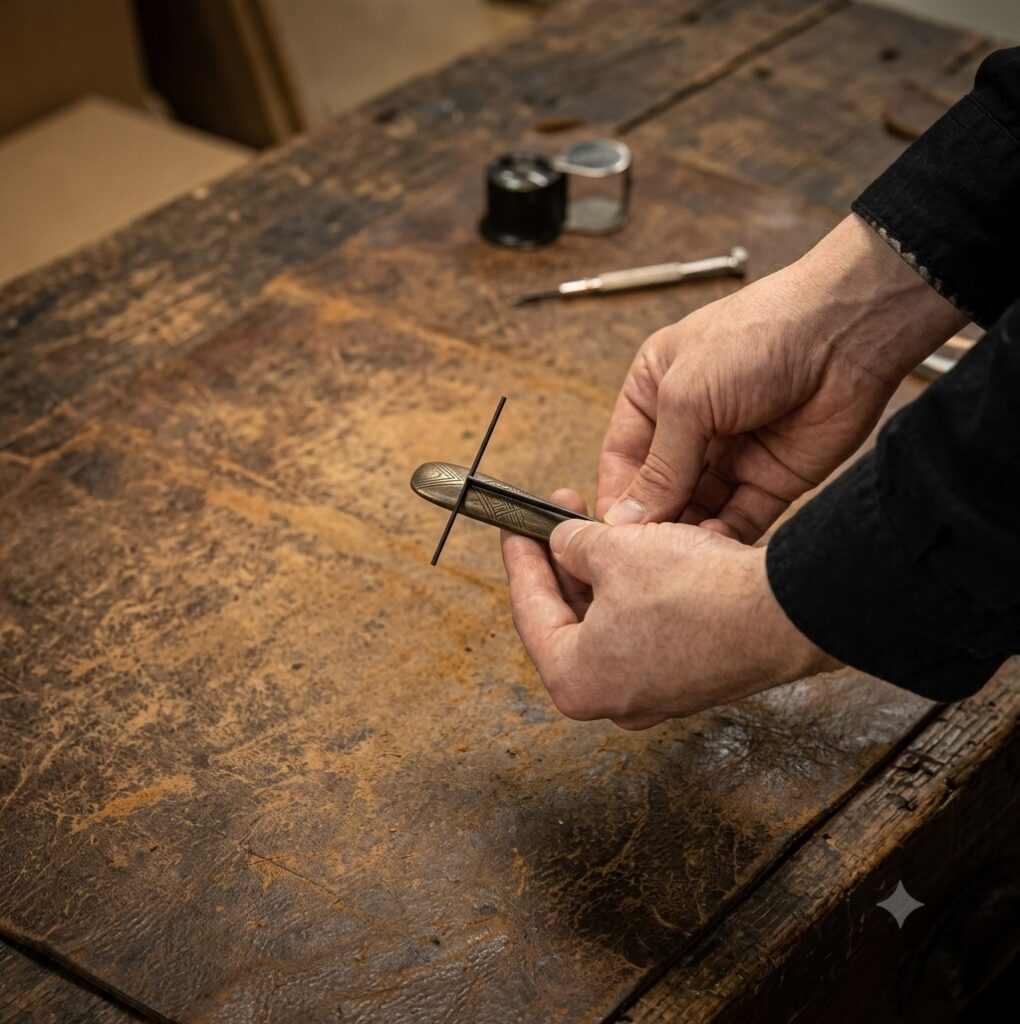
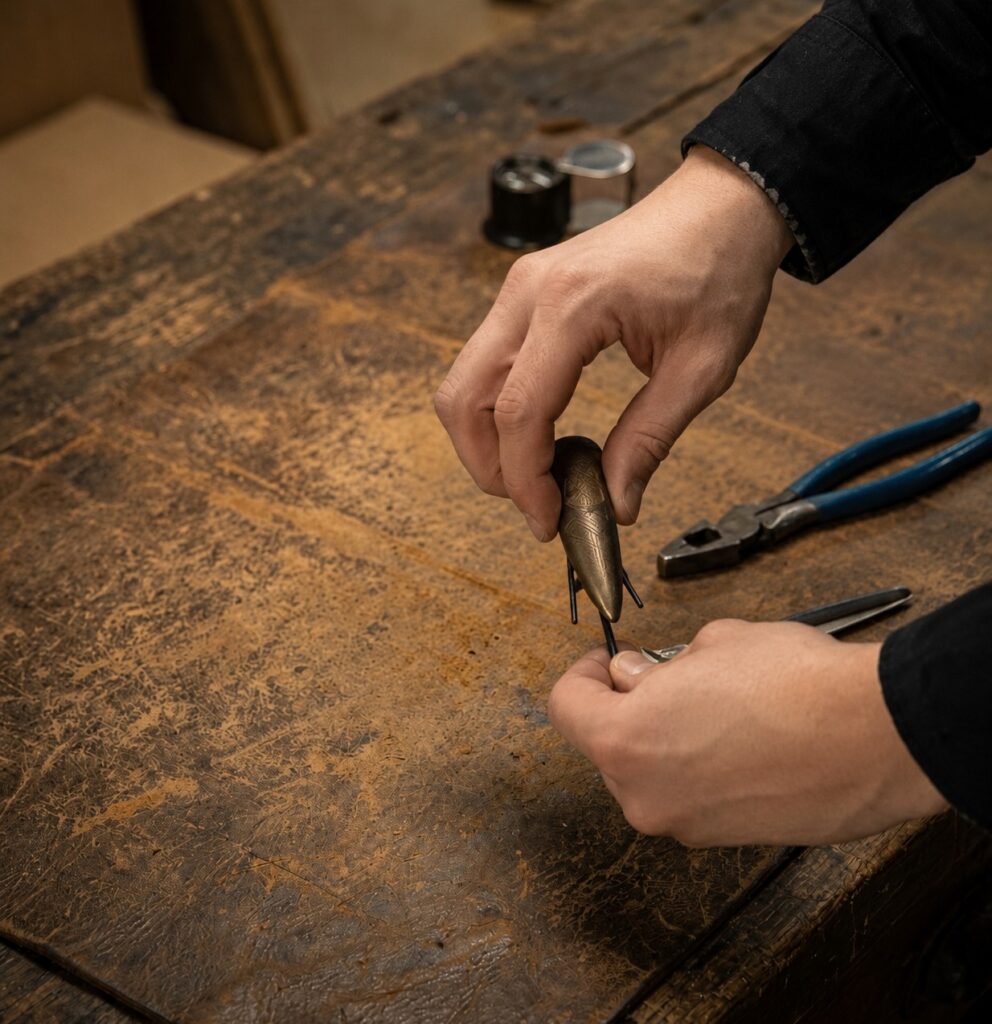
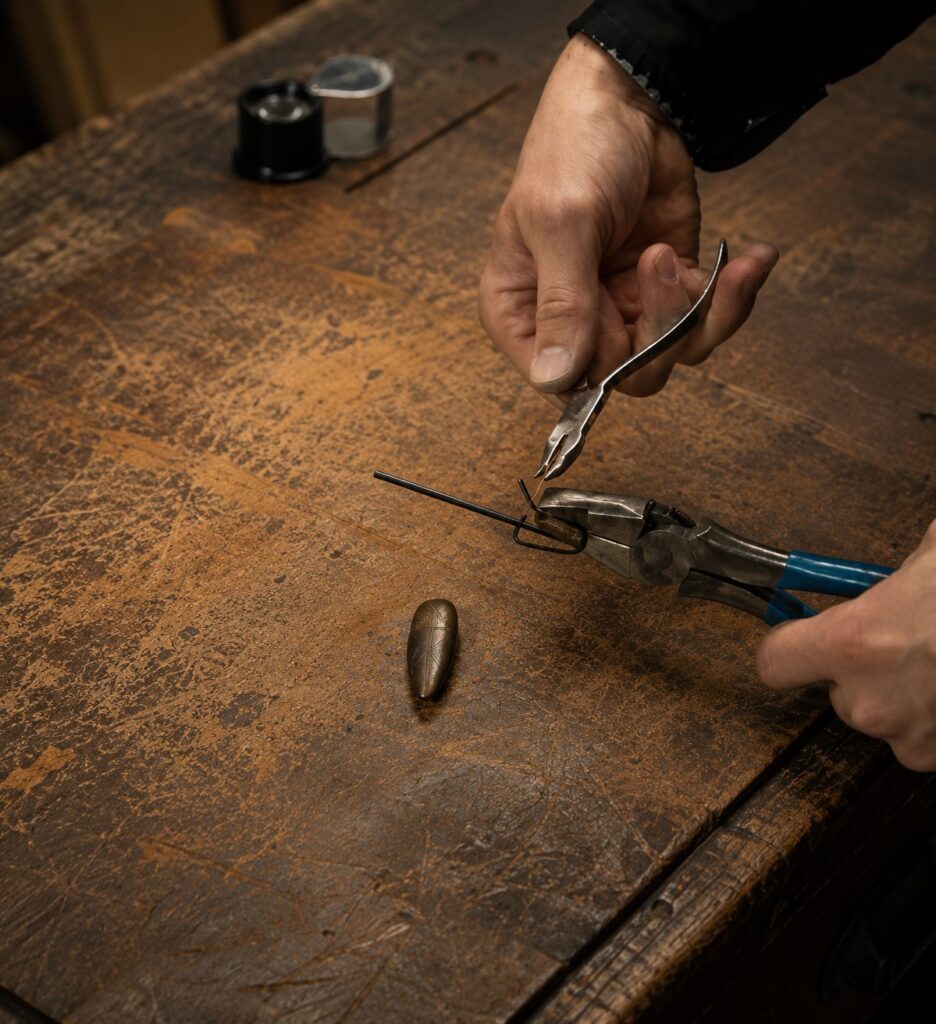
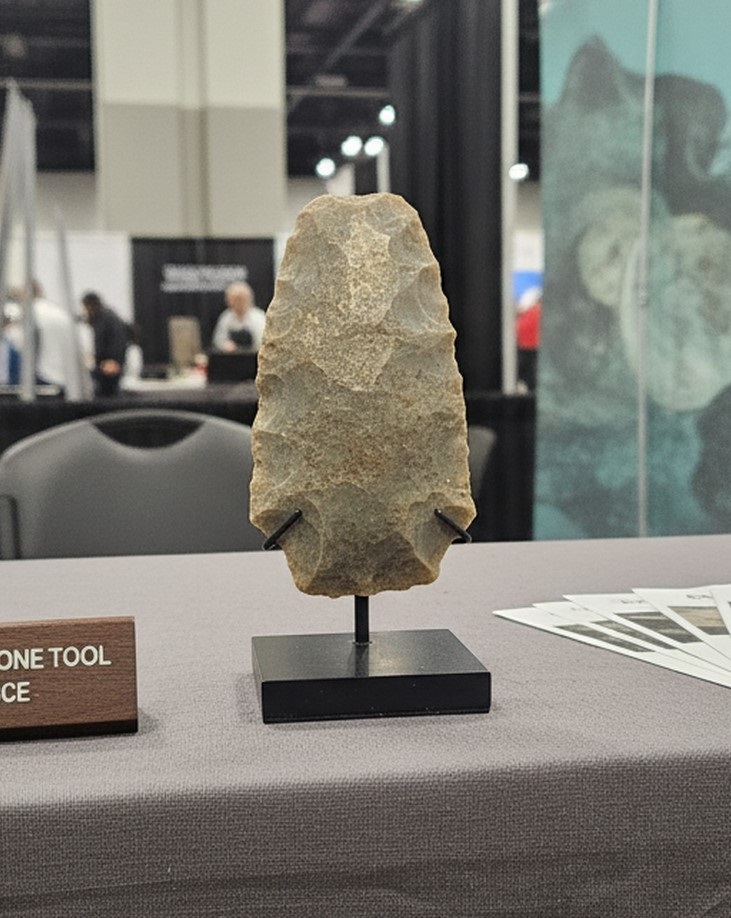
5″H T-arms can be bent to hold Ushabtis, Pre Columbian or Egyptian figurines or artifacts. Tools, like pliers, may be helpful to the “do it yourself” process. Also, touch up paint may be needed to cover marks or finish removed during the process. The “T” is shipped apart from the base. It is easier to bend and shape the “T” before it is put into the base. A hammer may be needed to tap the “T” into the base or a little glue may be used if the “T” is loose. Some bases come with protective film to be removed.
The Clearco Artifact Display Stand is designed for showcasing small figurines, artifacts, and collectibles. With its 5-inch height and adjustable T-arms, it offers a versatile display solution for various items such as Ushabtis, Pre-Columbian, Egyptian, Roman, Greek statues or figures, Megalodon shark tooth, dolls, and other artifacts. The stand is a customizable “do-it-yourself” stand, allowing you to create a museum-quality display for your treasured pieces.
Artifact Display Stands
African ritual and ceremonial masks are usually made of wood and have holes along the sides where string or cord was used to hold the African mask in place. These holes can be used to mount the African mask on a display stand or hang on a wall. You could simply run a string or wire through the holes of the African mask to hang it, or mount it on a display base with an armature. The metal wire follows the inside perimeter so it cannot be seen through the openings in the mask such as the eyes and mouth. The wire goes into a hole on each side of the African mask to hold it in place. It looks better to bend the post where it comes to the bottom of the African mask back and away from the mask, then down to the base. This will add dimension and keeps the post back from the mask. The display base is commonly made of metal or other materials can be used such as acrylic or wood. Custom mounting for African masks can range from $100 to $400 depending on quality of the display mount and size of the mask.
Another alternative for making African mask displays is to do it yourself. ClearCo Display has stock “T”-arm displays that can be used to make an African mask stand. They come as a basic “T” shape that you can bend the arms down and place into the side holes. The height of the post could be adjusted although you would need a hack saw or bolt cutters to cut through the ¼” steel.
Artifact Displays Headdresses’: Some African masks cover both head and face or full headdress. These may be easier to mount by using a base with a post and a fitting on top. The fitting is sometimes custom shaped to correctly fit the African head piece. There are also stock bases for this situation as well at ClearCo Display. These stock items can also be used for helmets, hats and other items of that nature.
Artifact Displays for Other masks, including masks that are not African, may be made of metal like copper or bronze; or stone such as jade or steatite. The stock stands may or may not work with these depending on size and weight.
African Mask:
African masks are typically used for rituals and ceremonies and are also a popular collector’s item, also seen in galleries and museums. Some African mask types are: Baule Mask, Biombo Mask, Bwa Mask, Dan Mask, Goma Mask, Kota Mask, Kwele Mask, Ligbi Mask, Lulua Mask, Lwalwa Mask, Pende Mask, Punu Mask, Senufo Mask, Teke Mask, Woyo Mask, Yohure Mask.
Artifact Displays stock T-arms can also be used for many other Artifacts such as: usahbtis, celts, etruscans, coreform glass, bronzes, Egyptian, Roman, and Greek artifacts, faience pieces, amulets, jades, terra cotta figures, byzantine, olmec, and mezcala figures, pre columbian, mayan, aztec artifacts and so on.
Ancient oil lamps come in many sizes and shapes and are made from different materials. Typical materials are terra cotta, bronze, silver, ceramics, etc. The styles and origins can include; Persian, Greek, Chinese, Judean, Roman, Byzantine, Islamic, etc. Many of the terra cotta oil lamps have a nozzle, pouring hole, and a handle. Typically, these ancient oil lamps are mounted from underneath with a metal or acrylic armature to properly support it safely. Most ancient oil lamps look nice on a slight angle down with the nozzle at the lower end. Custom mounts are nice but another alternative for mounting ancient oil lamps is to do it yourself. ClearCo Display has stock “spider mounts” that can be used for that very purpose. They come in a basic “X” shape. You can bend the arms up to cradle the ancient oil lamp from below, and then you cut off any excess metal that is unnecessary to hold the piece safely. This will give it a clean look. If you like you can paint the arms the same color as your ancient oil lamp to get a nice blended and non-distracting look.
Artifact Displays Other Uses
Spider mounts can be used for many other artifacts such as: minerals, fossils, spheres, bronzes, Egyptian, Roman, and Greek artifacts, faience pieces, amulets, jades, terra cotta figures, byzantine, olmec, and mezcala figures, pre columbian, mayan, aztec artifacts and so on.
Artifact Displays Oil Lamp Types
Some ancient oil lamp types:
Ancient Mediterranean oil lamps, Persian oil lamps, Greek oil lamps, Egyptian oil lamps, Roman oil lamps, Athens oil lamps, DelphI oil lamps, Parthenon oil lamps, Jewish oil lamps, Jerusalem oil lamps, Byzantine oil lamps, Christian oil lamps, Holy land oil lamps, Chinese oil lamps, Islamic oil lamps, Hindu oil lamps, Daroma oil lamps, Jerash oil lamps, Ancient oil lamps, Nabatean oil lamps, Herodian oil lamps, Menorah oil lamps, Terracotta oil lamps, Samaritan oil lamps, Indian oil lamps.
An ancient oil lamp is an object used to produce light continuously for a period of time using an oil-based fuel source. The use of ancient oil lamps began thousands of years ago and is continued to this day, although not commonly anymore.
Ancient Oil lamps were made of common pottery and first began to appear in Israel during the Neolithic Period. Throughout the centuries the shape of ancient oil lamps changed a great deal, and more elaborate designs were being implemented.
Ancient lamps were oval shaped, and flat on top. They actually had small bowls on one end, with the other end pinched real tight which formed a groove to hold the cotton or flax wick. One end of the wick would even float in the olive oil. Some of the lamps had a lid over the bowl. They were usually made of clay, but the more expensive lamps were made of bronze and sometimes even of gold. Some of these were very beautiful and would contain very elaborate decorations, manyRoman lamps had images of their gods.
Ushabti Display Stand, artifact display stand, shark tooth display stand, megalodon tooth display stand, doll display stand, barbie doll display stand, fossil display stand, terra cotta figure display stand, Egyptian figure display stand, arrowhead display stand, Mezcala figure display stands, vessel display stand, alabaster display stand, Byzantine cross display stand, cross display stand, Olmec figure display stand, art display stand.